
Kevin Holst
Rallee Co-founder
Aug 3, 2026 · 6 min read
Share
Blog
What 3 million meals taught me about showing up
I always loved a good meal, but when I got my degree in nutrition, my core view of food became distilled down to a combination of chemical and biological interactions.
The principle was that food is a delivery vehicle for nutrients. So, if people are hungry or in need, couldn’t we just send them a shake that has all the nutrients they need (all hail Soylent)?
All of this changed when I worked with Chef José Andrés at World Central Kitchen (WCK).
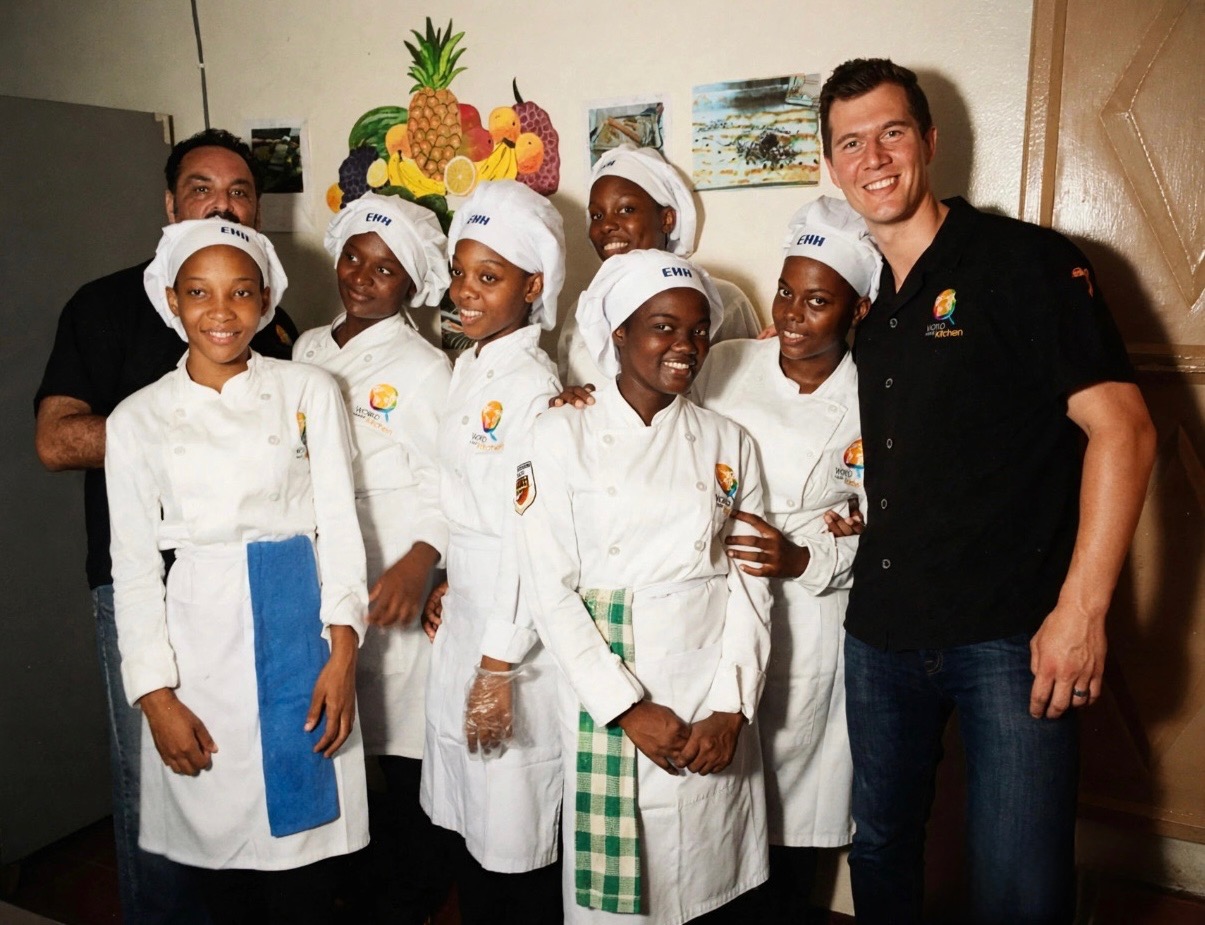
I joined WCK as the Director of Development and Communications in 2015. Back then, there were only two US staff on payroll. We were operating culinary schools in Haiti, outfitting kitchens with clean cookstoves, and running social enterprises. We were relatively unknown and pulled in less than $1 million a year in donations.
Then came Hurricane Maria in 2017.
Moments after the storm hit, José booked a flight to Puerto Rico. He landed and quickly saw what the island was facing. Puerto Rico was shattered, but food was available and local chefs were ready to mobilize.
José launched into action immediately, rallying volunteers and chefs to prepare dishes loved by the communities they served. That's when I saw the true force of José’s outsized “reality distortion field”.
His targets started ambitious and then blew past anything we thought was remotely possible.
“We’re going to cook 1,000 meals a day.” “No, 10,000.” “Actually… 100,000.”
We were a tiny NGO being told we were about to become a logistical behemoth in the middle of a disaster zone with no clear supply chain, no infrastructure, and no secured funding for anything close to that scale. We had no idea how we’d do it.
In the middle of this madness, my wife and I had our first child (pictured here in a WCK onesie!). 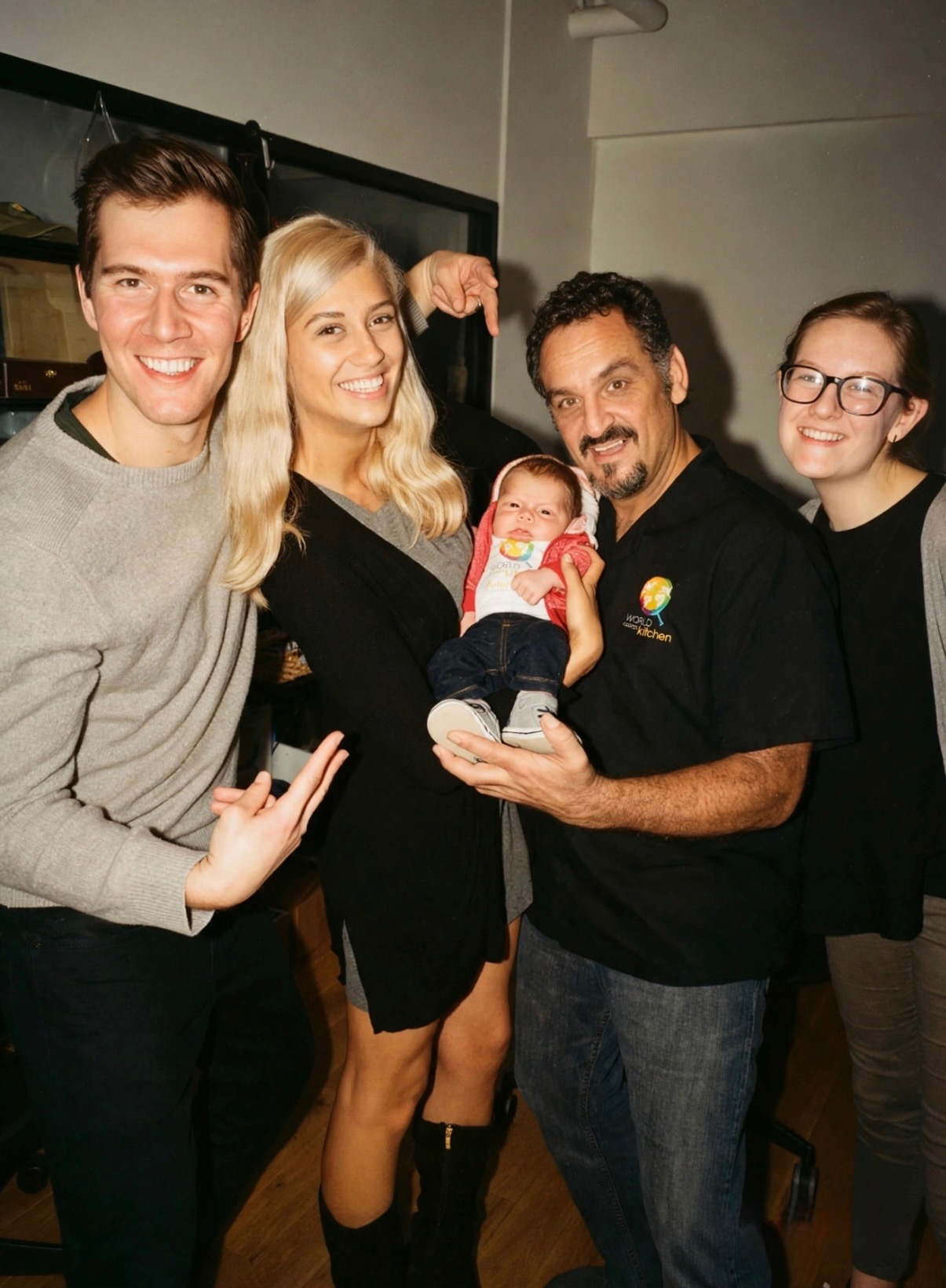
My wife's pregnancy was tough, so we went into labor with a heightened level of stress. Then, after pushing for 4 hours (badass mama alert!!!), our son was born with meconium aspiration.
He entered the world not being able to breath. The minutes after his birth were the longest minutes of my entire life.
I remember a flurry of NICU doctors and staff immediately caring for our son. Thankfully, they were able to get him to breath soon after his birth. A huge thanks to the Georgetown University NICU and anyone reading this who is in healthcare. You are true heroes.
I had been crying uncontrollably. I felt like a shell of a human.
Later that day, I walked to the Starbucks on the hospital's campus. After ordering our coffees, the barista gave me a slice of free chocolate cake (they call it a "loaf", but let's be honest...it's cake). It was such a small act of kindness, but it made me feel seen and known. I clearly was not hiding the pain I felt earlier that day. She could see it and did what she could to help.
We all have a deep need to feel seen, known, and loved, especially in the aftermath of pain. I felt this from a small act of human connection from the barista, which turned out to be a preview of what I would experience at scale at World Central Kitchen.
Everything at work came to a screeching halt for me while our son stayed in the NICU for a few days, but in Puerto Rico, José was just getting started.
News of our work spread quickly. Volunteers poured in. Chefs showed up. Donors stepped forward. We became the largest meal producer on the island. More than 20,000 local volunteers and chefs mobilized. Against every expectation, WCK ultimately served over 3 million meals in the wake of the hurricane.
It was chaotic, exhausting, and some of the most important work of my life.
José simply saw a massive human need and refused to look away. Experiencing this changed the way I think about stepping into moments of crisis.
He showed me that you can’t wait until everything lines up. You move toward the need and take action.
I’ll never forget the moment José asked us to find him a helicopter so he could reach a remote community. We obviously didn’t have a helicopter. Somehow, he found one anyway, and he personally delivered meals to that community.
Helping people rarely happens in ideal circumstances. You have to have a willingness to do the inconvenient thing.
And somewhere in the midst of it, I learned something education never taught me: meals can be more powerful than the sum of their nutrients. They can reconnect you to your identity. They give you a moment of hope in the middle of something overwhelming. They can make you feel seen, known, and loved.
While necessity sometimes meant providing scalable meals like sandwiches with limited resources, the guiding principle was always to offer respect on a plate. That principle is now baked into WCK’s model. They partner with chefs around the globe to provide culturally appropriate meals with dignity in disaster zones, which has been shown to increase the efficacy of the aid.
One of José’s mantras for WCK is, “People don’t want our pity, they want our respect.” Pity would have meant shipping crates of protein shakes from an unknown source. Respect meant cooking culturally appropriate meals with local volunteers and chefs serving their neighbors. These meals became vehicles for community, human connection, and comfort in the midst of grief.
That lesson stuck with me for years, until it collided with something personal back home.
When my wife’s good friend struggled with postpartum depression, she wanted to organize support for her. She looked online and every option was clunky, impersonal, or limited. They didn’t respectfully meet the needs of complex situations.
My wife also shared stories of losing her stepdad to cancer when she was 13. People showed up in huge numbers. The counter filled up with meals ending in “-a-roni” or “-erole,” and the freezer was packed beyond capacity.
The support was heartfelt, but it didn’t actually solve the hardest parts of that moment.
Her mom didn’t just need another casserole. She needed someone to:
- Take the kids to school
- Check in regularly
- Deliver one of their staple meals that the kids would definitely eat
The difference between support that helps and support that overwhelms is personalization. And impersonal support, no matter how well intentioned, often misses the mark.
That’s when everything I learned at WCK clicked.
People need care that fits their life. Care that makes them feel known, seen, and loved. Support that actually makes a difference. They need respect, not just tasks checked off.
These lessons led me and my wife to create Rallee.
Rallee is a place for friends to show up for each other during a hardship or celebration.
We are more than just a MealTrain alternative. Rallee is a home for every kind of support people need during the moments that change everything. Meals, rides, childcare, errands, donations, visits, coffee runs, check-ins, messages, and more, all organized in one place.
We built Rallee because we learned firsthand that generic sympathy isn’t enough. People deserve support that is specific, practical, personal, and grounded in real care.
That’s what WCK taught me. That’s what our family lived through. And that’s what Rallee is built to do.
I shared more of my story on my wife's podcast, Sit Down and Show Up. You can listed to the full story here.
Let’s Rallee.
Show up for the people you love
Start a free Rallee in under a minute with a meal train, donations, updates, a care calendar and more. No ads. Built with empathy.
Start a free RalleeWe use cookies and local storage to enhance your experience, analyze site usage, and remember your preferences.
By clicking "Accept", you consent to our use of cookies and storage. Learn more